.jpeg)

Estate Cleanout Dumpster Tips for Roll Off Dumpster Rental and Junk Removal
Updated: Aug 9
Clearing out a home can feel simple at first. Then the closets open, the garage fills with “maybe” piles, and one worn sofa turns into a whole weekend of heavy lifting. An estate cleanout often comes with emotion, deadlines, and more debris than expected, especially after a move, downsizing, inheritance, or foreclosure.
A roll-off dumpster gives the project a clear landing place. Instead of making repeated trips to the dump or waiting on small curbside pickups, you can sort room by room and load unwanted items as you go. For many families, an estate cleanout dumpster turns a scattered, stressful job into a manageable plan.

Why a roll-off dumpster makes an estate cleanout easier
Estate cleanouts are different from ordinary spring cleaning. The goal is not just to tidy up. The home may need to be emptied for sale, rental, closing, inspection, renovation, or family division of belongings.
That creates a few common problems:
Too many items to fit in regular bins
Bulky furniture that cannot go out with normal rubbish
Limited time before a closing date or property handover
Several people making decisions at once
A mix of usable items, waste, recyclables, and restricted materials
A roll-off dumpster rental helps because it stays on-site for the length of the job. You can work at your own pace, load items as decisions are made, and avoid piling junk in the yard or garage.
It is especially helpful when clearing out:
Homes after a family member has passed away
Properties left behind after foreclosure
Houses being prepared for sale
Downsizing projects before a move
Rental homes with abandoned belongings
Garages, sheds, attics, and storage rooms
Instead of hiring separate services for every broken chair, old mattress, box of mixed household goods, and bag of debris, one dumpster can handle much of the load. For items that need special handling, you can set them aside before disposal.
Start with a simple sorting plan before you load
The fastest way to lose time during a cleanout is to start throwing things away without a system. Sorting first protects valuables, reduces waste, and prevents family disputes.
Walk through the home and create clear categories before the dumpster arrives.
Keep personal and legal items separate
Before any junk removal begins, look for documents and personal records. These should never be thrown away without review.
Set aside:
Birth certificates, passports, marriage records, and wills
Deeds, titles, tax paperwork, and insurance documents
Bank statements and financial records
Military records and medical paperwork
Family photos, letters, and personal keepsakes
Jewellery, coins, watches, and small valuables
Keys, garage remotes, safe combinations, and vehicle documents
Use labelled boxes and keep them in a locked room or vehicle. If several family members are involved, agree on who will manage important papers and sentimental items.
Group items by outcome
Once important items are safe, sort the rest of the home by destination.
Good categories include:
Keep
Items that family members want to take home or store.
Donate
Clean, usable furniture, clothing, kitchenware, books, and household goods.
Sell
Antiques, tools, appliances, collectables, and furniture with resale value.
Recycle
Cardboard, scrap metal, certain appliances, and electronics where accepted.
Dumpster
Broken furniture, worn carpets, damaged household items, old non-hazardous junk, and general debris.
Do not worry about making every decision perfect. The goal is to prevent obvious mistakes, such as throwing away family records or loading donation-quality items that someone else could use.

What can usually go in an estate cleanout dumpster
A dumpster rental can handle a wide range of unwanted household items. Rules vary by provider and local disposal site, so always confirm before loading. Still, most estate cleanout projects include many items that are commonly accepted.
Typical household cleanout items include:
Old chairs, tables, dressers, bed frames, and shelving
Worn mattresses and box springs, if accepted by the hauler
Rugs, carpet, curtains, and blinds
Toys, books, clothing, linens, and general household goods
Dishes, pots, pans, and small non-hazardous items
Broken storage bins and plastic household items
Yard debris, if allowed in your rental agreement
Non-hazardous renovation debris from light cleanups
Cardboard and packaging from sorting and packing
A dumpster is also useful for clearing garages and sheds. Old patio furniture, broken planters, empty storage cabinets, damaged tools, and general clutter can take up a surprising amount of space.
For large pieces, break items down when safe. Removing sofa legs, disassembling bed frames, and flattening boxes can save room. Load flat items along the sides or bottom of the dumpster, then place bulkier items on top.
What cannot go in a roll-off dumpster
Some items need special disposal because they can be dangerous, flammable, toxic, or restricted by local rules. Do not hide these items in bags or under other debris. Disposal facilities inspect loads, and restricted items can cause delays or extra fees.
Common items that usually cannot go in a dumpster include:
Paint, stain, varnish, and solvents
Petrol, diesel, motor oil, and other fuels
Pesticides, pool chemicals, and cleaning chemicals
Batteries, especially car batteries and lithium batteries
Propane tanks and pressurised containers
Tyres
Medical waste
Asbestos-containing materials
Refrigerators, freezers, and air conditioners with refrigerant, unless approved
Televisions, computers, and electronics where e-waste rules apply
If you find these during an estate cleanout, place them in a separate area and ask the rental company how to handle them. Many communities have household hazardous waste programmes or special drop-off events.
When in doubt, ask before you load. A quick question can save time and prevent a rejected load.
How to choose the right dumpster size
Choosing the right size is one of the most useful decisions in the whole project. Too small, and you may need a second haul. Too large, and you may pay for space you do not need.
Roll-off dumpsters are commonly measured in cubic yards. Availability can vary, but these are common size ranges.
Dumpster size | Best for | Typical estate cleanout use |
10-yard dumpster | Small cleanouts | A bedroom, small garage, or partial downsizing project |
15-yard dumpster | Light to medium jobs | Apartment cleanouts or several rooms of household clutter |
20-yard dumpster | Medium estate cleanouts | Furniture, boxes, rugs, and general household items from a modest home |
30-yard dumpster | Large cleanouts | Whole-home cleanouts with bulky furniture and garage items |
40-yard dumpster | Major projects | Large homes, foreclosure cleanouts, or cleanouts paired with renovation debris |
For many full-home projects, a 20-yard or 30-yard container offers a practical balance. A small estate may only need a 10-yard dumpster, while a foreclosure with abandoned furniture, mattresses, trash, and outdoor debris may need something larger.
Think about these points before booking:
Number of rooms being cleared
Amount of furniture and mattresses
Whether the garage, attic, shed, or patio is included
Whether carpeting or light construction debris will be removed
How much donation or resale sorting will happen before disposal
Available driveway or placement space
If you are unsure, describe the property to the rental team. Mention the number of bedrooms, whether there is a garage, and the type of items involved. A good provider can help match the container to the job.

Plan the cleanout room by room
A home cleanout feels less overwhelming when each room has a finish line. Start with the simplest spaces, then move towards the most emotional or cluttered areas.
A steady order might look like this:
Bathrooms and laundry room
Kitchen and pantry
Guest rooms
Living room and dining room
Garage, attic, and shed
Main bedroom and personal storage areas
This order helps build momentum. Bathrooms and laundry rooms often contain fewer sentimental items, while bedrooms and closets may require more careful sorting.
As you move through the home, keep paths clear. Do not block exits, stairways, or driveways with piles. If possible, place the dumpster where workers can carry items directly outside without crossing fragile flooring or tight corners.
Use sturdy gloves, closed-toe shoes, and basic lifting care. Estate cleanouts often involve dusty items, broken glass, splintered furniture, and heavy boxes that have not moved in years.
Be smart about furniture, appliances, and bulky household items
Furniture is one of the biggest reasons people rent dumpsters for estate cleanouts. A few large items can fill a pickup truck quickly. Sofas, entertainment centres, bed frames, dressers, and dining tables are difficult to move and often cannot be set out for standard collection.
Before tossing furniture, decide whether it has another path.
Donation may work if the item is:
Clean
Structurally sound
Free of pests
Not badly stained or torn
Useful to another household
Selling may make sense for solid wood furniture, working tools, outdoor equipment, and collectables. Still, estate projects often run on tight timelines. If waiting for buyers will delay the home sale or closing, a dumpster may be the better choice for low-value or damaged pieces.
Appliances need extra attention. Washers, dryers, stoves, and dishwashers may be accepted by some haulers, but refrigerators, freezers, and air conditioners often require special handling because of refrigerants. Always confirm before loading appliances into the dumpster.
For mattresses and upholstered items, ask about local rules. Some areas allow them in dumpsters, while others charge extra or require separate disposal.
Dumpster rental in Sarasota, Bradenton, and nearby areas
Estate cleanouts often happen under pressure. A closing date may be approaching, a landlord may need a property cleared, or family members may have limited time in town. That is why local service matters.
If you are searching for dumpster rental Sarasota, look for a provider that can guide you on container size, driveway placement, accepted materials, and pickup timing. The same applies when comparing dumpster rental Bradenton services. The right rental team should make the process clear before the dumpster arrives.
Local knowledge can help with:
Placement on driveways or private property
Timing around neighbourhood access and parking limits
Handling bulky household items
Explaining restricted materials
Scheduling pickup once the cleanout is complete
For homes in communities with homeowners’ associations, check placement rules before delivery. Some communities limit where dumpsters can sit or how long they can remain on-site. If the container must go on a street instead of a driveway, ask whether a permit is required.

Compare dumpster rental and junk removal before you decide
Dumpster rental and junk removal both help with estate cleanouts, but they fit different needs.
A dumpster works well when:
The project will take several days
You want to sort at your own pace
There are many rooms to clear
Family members are still deciding what to keep
You have help to carry and load items
Junk removal works well when:
The items are already sorted
You need labour for lifting
There are only a few bulky pieces
The cleanout must happen very quickly
You cannot load a dumpster yourself
Some estate projects use both. A roll-off dumpster handles the general debris, while a junk removal crew takes specific heavy items or materials that need separate handling. The best choice comes down to time, labour, budget, and how much sorting remains.
Tips to get the most value from your dumpster rental
A little planning can help you avoid delays, extra fees, and wasted space.
Confirm the rental details before delivery
Ask about:
Included rental period
Weight limits
Accepted and restricted items
Delivery and pickup windows
Where the dumpster can be placed
Whether doors open for walk-in loading
How high materials can be loaded
Do not fill above the top edge of the container. Overfilled dumpsters may be unsafe to haul and may need to be unloaded before pickup.
Protect the driveway
Roll-off dumpsters are heavy, especially when loaded. Ask the rental company whether boards can be placed under the container to help protect the driveway surface. Clear vehicles, low branches, toys, and garden items before delivery.
Load heavy items first
Put heavier and flatter items near the bottom. Break down furniture where possible. Place long items along the walls of the dumpster. Fill gaps with bags and smaller debris.
This helps prevent wasted pockets of air and keeps the load more stable.
Keep restricted items out
Set up a “do not load” area for paint, chemicals, batteries, electronics, tyres, and appliances that need approval. Make sure everyone helping with the cleanout knows what belongs there.
Schedule pickup when the job is truly done
If you are still sorting the attic or garage, wait before calling for pickup. Many estate cleanouts reveal extra items near the end, especially in outdoor sheds, crawl spaces, and storage cabinets.
Make the cleanout easier on everyone involved
Estate cleanouts can be emotional. People may disagree about what should be kept, donated, sold, or thrown away. A clear plan helps reduce stress.
Before the dumpster arrives, agree on basic rules:
Who has final say on sentimental items
Which rooms can be cleared immediately
Which items need family review
Where donations will go
What deadline must be met
Who will be present during loading
Take photos of rooms or items before disposal if family members cannot attend. This can help with decision-making and documentation.
If the home is being prepared for sale, focus first on removing obvious clutter, damaged furniture, and trash. Clean, open rooms are easier to inspect, photograph, and show.
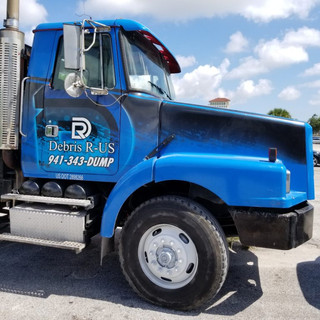
Reserve an estate cleanout dumpster with Debris R-US
A roll-off dumpster can take much of the friction out of an estate cleanout. It gives the project one clear disposal point, reduces repeated dump runs, and allows the cleanout to move room by room without constant interruptions.
Start by sorting important documents and valuables. Separate donations and sale items. Confirm what can and cannot go in the container. Then choose a dumpster size that matches the home, not just the first room you see.
When the deadline matters, having the right container on-site makes all the difference. To clear a home after a move, downsizing, inheritance, or foreclosure, reserve an estate cleanout dumpster with Debris R-US and get the space you need to finish the job properly.


Comments